TLĀZA USA Drone and UAS Frequently Asked Questions
Find answers about TLĀZA USA, NDAA-compliant drones, cardboard drones, FPV platforms, attritable UAS, launched effects, C-UAS training, decoy drones, flat-pack manufacturing, custom engineering, and American-made unmanned aircraft systems.
1. What does TLĀZA USA manufacture?
TLĀZA USA designs and manufactures innovative unmanned aerial systems in the United States, including NDAA-compliant drones, cardboard drones, FPV drones, decoy drones, training target drones, fixed-wing aircraft, and custom UAS platforms.
These systems support military organizations, government agencies, defense contractors, law enforcement, research institutions, universities, public safety organizations, and commercial customers seeking affordable and rapidly deployable unmanned systems.
2. What is an NDAA-compliant drone?
An NDAA-compliant drone is an unmanned aircraft configured with components sourced in accordance with applicable National Defense Authorization Act procurement requirements.
TLĀZA USA offers drone platforms that may be configured with NDAA-compliant components for qualified military, government, public safety, and defense procurement applications.
3. Why are NDAA-compliant drones important?
NDAA-compliant drones help government and defense customers reduce reliance on restricted foreign technologies while supporting secure supply chains and approved procurement requirements.
NDAA compliance may be important for federal agencies, military programs, public safety organizations, defense contractors, and operators of critical infrastructure.
4. What is a cardboard drone?
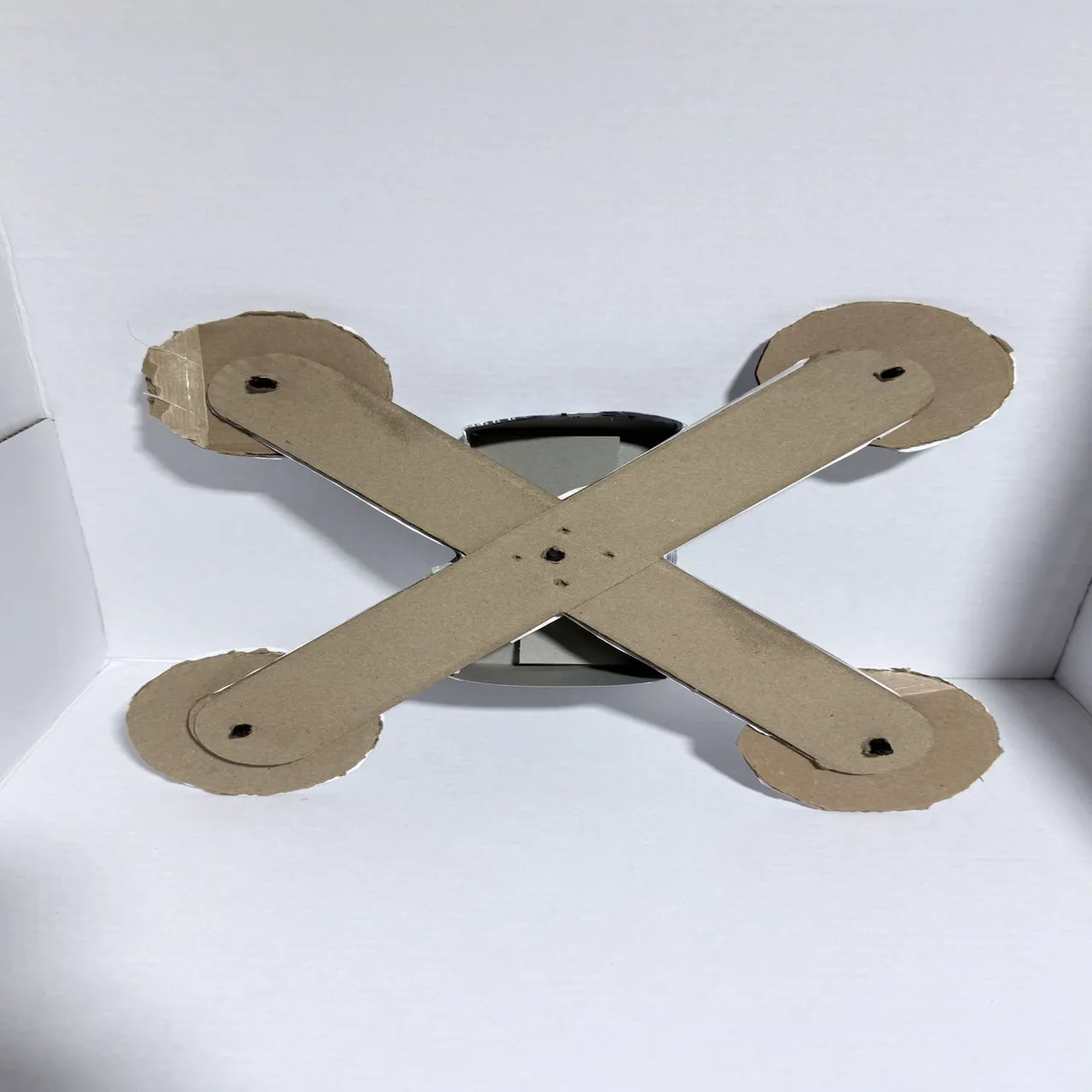
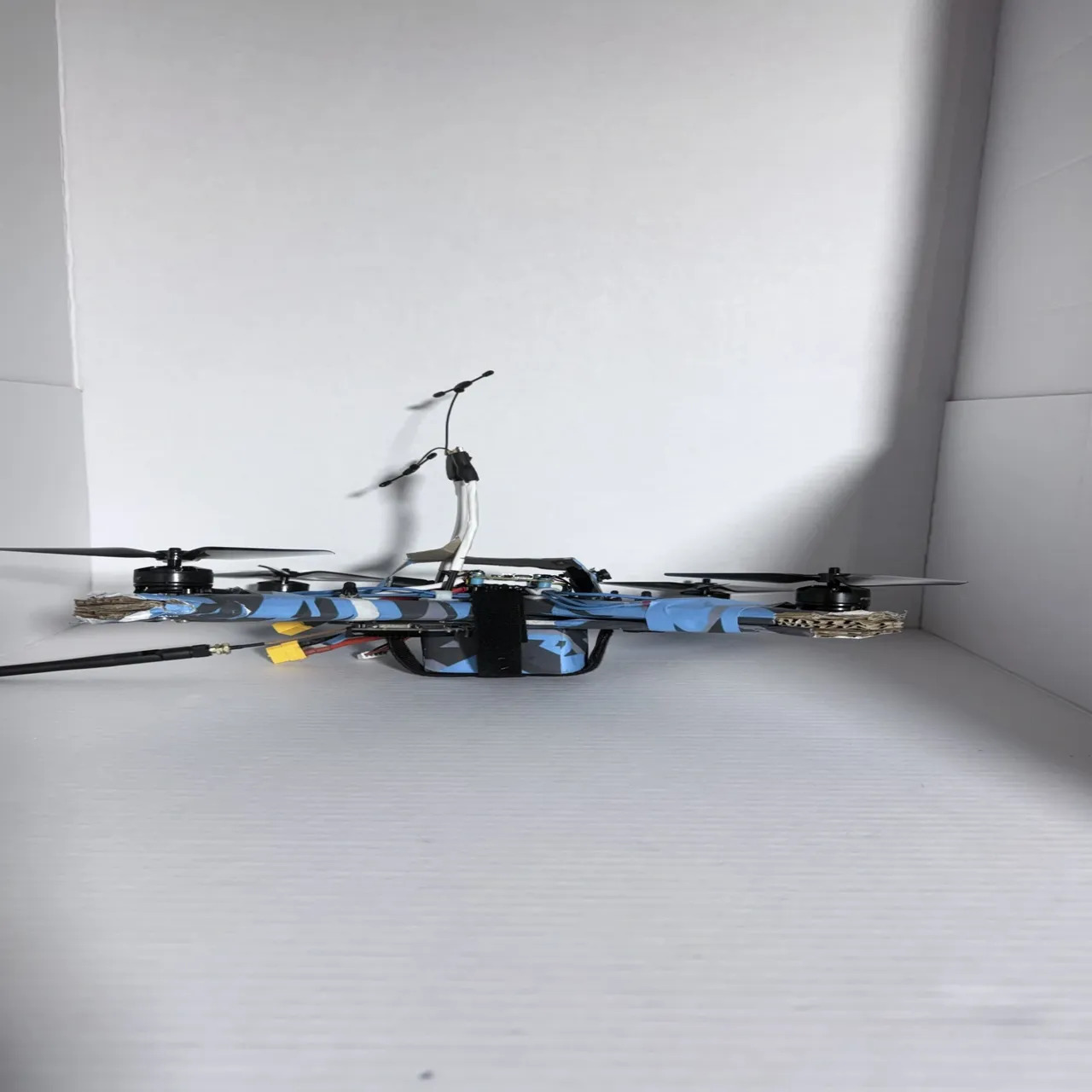
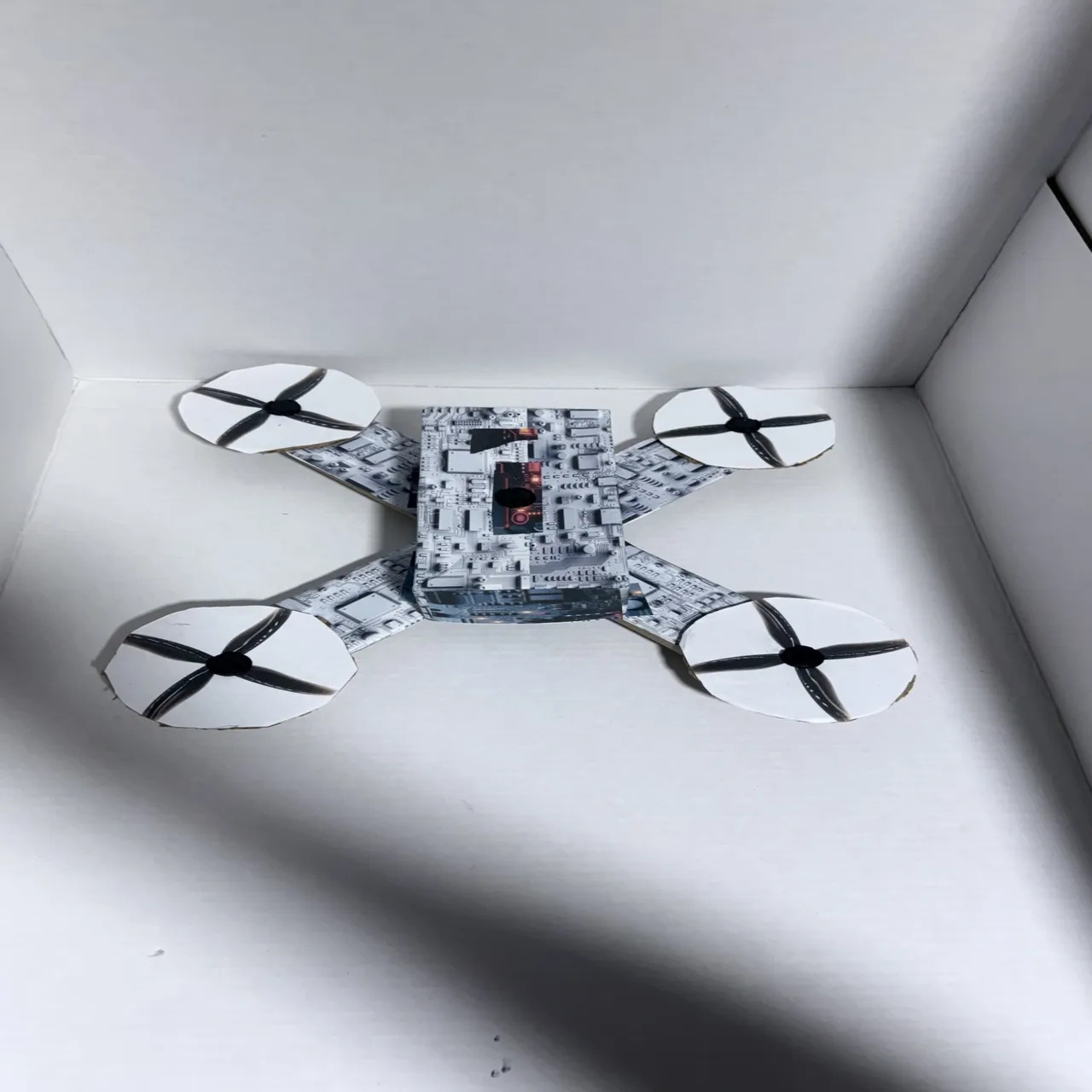
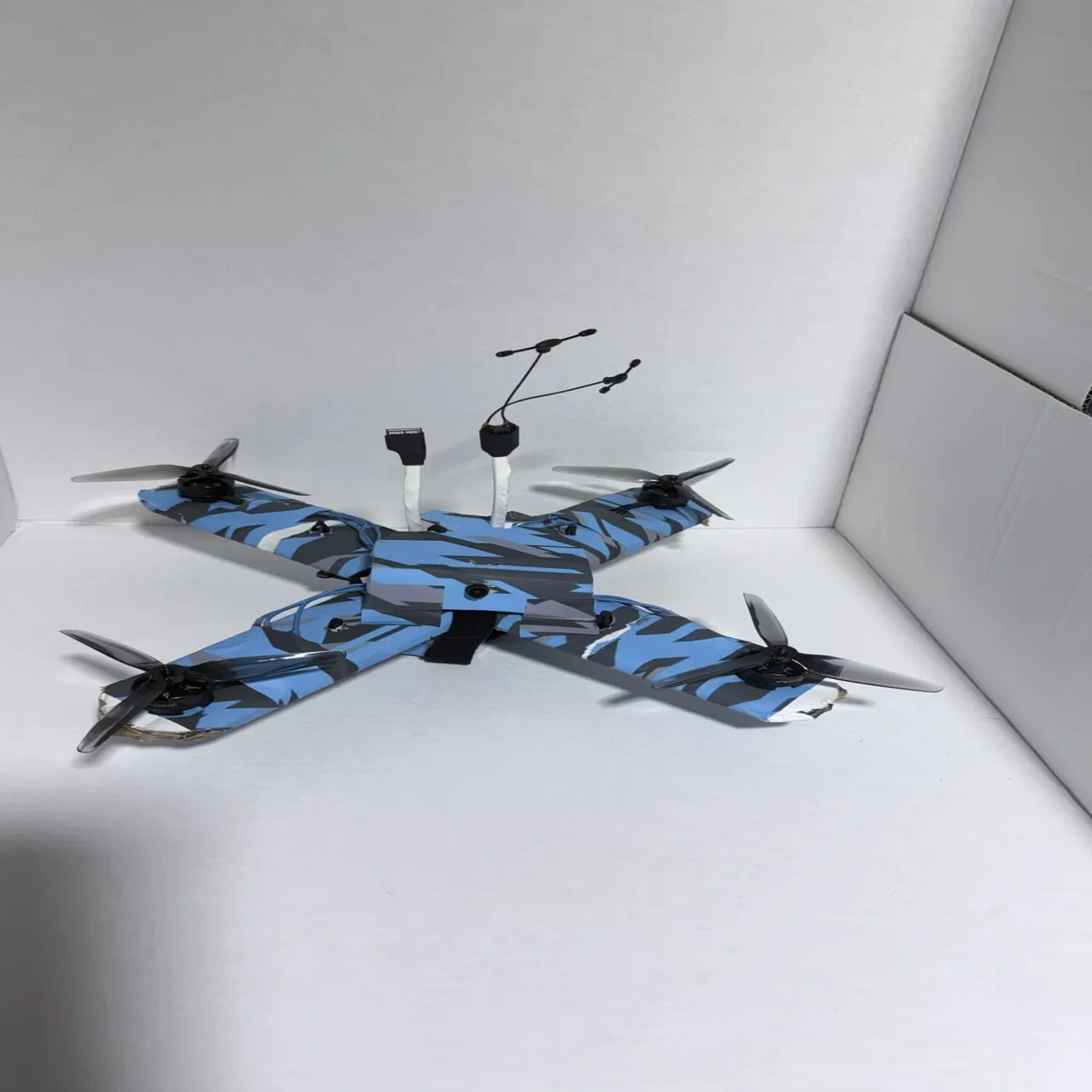
A cardboard drone is a lightweight unmanned aircraft that uses an engineered cardboard airframe instead of a conventional molded plastic, metal, or composite structure.
Cardboard drone airframes can reduce manufacturing costs, simplify logistics, support flat-pack shipping, allow rapid assembly, and provide an affordable platform for training, testing, reconnaissance, decoy, and attritable UAS applications.
5. Why would the military use cardboard drones?
Military organizations may use cardboard drones because they are lightweight, affordable, scalable, compact to transport, and fast to assemble.
Depending on their configuration, cardboard drones can support pilot training, Counter-UAS exercises, reconnaissance, target simulation, decoy operations, technology demonstrations, launched effects concepts, and missions where expendability is an advantage.
6. Are cardboard drones durable enough for real-world use?
Yes. A properly engineered cardboard drone airframe can provide the structural strength needed for many training, testing, research, and operational flight profiles.
Durability depends on the airframe design, environmental conditions, payload, flight speed, assembly quality, and intended mission.
7. What is an attritable drone?
An attritable drone is a low-cost unmanned aircraft designed to complete a mission while remaining affordable enough that its loss may be acceptable when operationally necessary.
Attritable UAS platforms can help organizations deploy more aircraft, reduce the financial risk associated with losing high-value systems, and support large-scale or high-risk operations.
8. What are launched effects?
Launched Effects are unmanned systems deployed from another aircraft, ground vehicle, maritime platform, or operational location to extend battlefield awareness or mission capabilities.
Depending on the system, launched effects may support reconnaissance, communications, sensing, targeting, electronic warfare, decoy operations, or other mission objectives.
9. What is a decoy drone?
A decoy drone is an unmanned aircraft designed to imitate the flight behavior, radar signature, visual profile, communications activity, or other characteristics of a different aircraft or aerial target.
Decoy UAS platforms may be used for training, system testing, threat simulation, sensor evaluation, signature replication, or authorized defense applications.
10. What is a training target drone?
A training target drone is an unmanned aircraft used to simulate realistic aerial threats during military, law enforcement, public safety, radar, and Counter-UAS exercises.
Target drones help operators practice detection, tracking, identification, response, interception, and system evaluation in controlled training environments.
11. What is Counter-UAS?
Counter-Unmanned Aircraft Systems, commonly called C-UAS, refers to technologies and procedures used to detect, identify, track, monitor, and lawfully respond to unauthorized or hostile drones.
C-UAS systems may use radar, radio-frequency detection, electro-optical sensors, infrared sensors, acoustic sensors, jamming technologies, interceptor aircraft, or other authorized defeat methods.
12. Can TLĀZA USA drones be used for C-UAS testing?
Yes. TLĀZA USA drone platforms can support authorized Counter-UAS testing, operator training, radar evaluation, sensor validation, target tracking, interceptor exercises, technology demonstrations, and system performance assessments.
The appropriate platform depends on the desired flight profile, target signature, speed, size, payload, and training objective.
13. What industries does TLĀZA USA serve?
TLĀZA USA serves military organizations, government agencies, defense contractors, law enforcement, homeland security, public safety organizations, universities, aerospace companies, research institutions, engineering firms, and commercial customers.
14. Are TLĀZA USA drones manufactured in the United States?
TLĀZA USA designs and manufactures unmanned aircraft platforms in the United States with an emphasis on American engineering, domestic production, scalable manufacturing, and secure supply-chain options.
Component sourcing and compliance specifications may vary by product and customer configuration.
15. Can government agencies purchase directly from TLĀZA USA?
Yes. Federal, state, local, tribal, military, law enforcement, and public safety organizations may contact TLĀZA USA regarding direct purchases, product demonstrations, volume requirements, custom engineering, and procurement options.
Qualified defense contractors and authorized institutional customers may also request product and purchasing information.
16. What is a swarm-capable drone?
A swarm-capable drone is an unmanned aircraft designed or configured to operate as part of a coordinated group of multiple drones.
Drone swarms may be used to increase coverage, distribute sensors, support collaborative autonomy, test coordinated flight concepts, simulate multiple aerial targets, or perform other authorized missions.
17. What is distributed drone manufacturing?
Distributed drone manufacturing is a production model in which aircraft components or complete UAS platforms can be manufactured or assembled across multiple locations.
This approach can strengthen supply-chain resilience, shorten delivery distances, expand production capacity, and support rapid scaling during periods of increased demand.
18. What is expeditionary manufacturing?
Expeditionary manufacturing refers to producing, assembling, repairing, or modifying equipment close to the location where it will be used.
For unmanned aircraft, expeditionary manufacturing can reduce transportation requirements, simplify logistics, support replacement production, and help operators respond more quickly to changing mission needs.
19. Can TLĀZA USA develop custom drones?
Yes. TLĀZA USA provides custom UAS engineering, rapid prototyping, airframe development, mission-specific design, payload integration, manufacturing support, and unmanned aircraft customization.
Custom projects may be developed around customer requirements such as aircraft size, endurance, payload capacity, flight profile, materials, communications, logistics, or manufacturing volume.
20. What payloads can be integrated into a drone?
Depending on the aircraft, payload options may include electro-optical cameras, infrared cameras, thermal imaging systems, communications equipment, telemetry systems, research instruments, multispectral sensors, RF equipment, tracking devices, and customer-supplied electronics.
Payload compatibility depends on weight, dimensions, power requirements, cooling, communications, aircraft balance, and the intended mission.
21. Can TLĀZA USA integrate customer equipment?
Yes. TLĀZA USA can work with qualified customers to integrate proprietary sensors, cameras, communications hardware, flight electronics, research equipment, and other mission-specific payloads.
Integration requirements are reviewed based on platform capacity, safety, performance, compatibility, and applicable regulations.
22. Are TLĀZA USA drones available as kits?
Selected TLĀZA USA platforms are available as drone kits or flat-pack airframe systems designed for compact storage, efficient shipping, and rapid assembly.
Kit contents, electronics, propulsion systems, payloads, and assembly requirements vary by product and configuration.
23. How long does it take to assemble a TLĀZA USA cardboard drone?
Assembly time depends on the drone model, configuration, electronics, operator experience, and whether the aircraft is supplied as an airframe kit or a more complete system.
Many rapid-assembly and flat-pack UAS designs are intended to be assembled quickly with minimal tools and training.
24. What is an FPV drone?
An FPV drone is an unmanned aircraft that transmits live video from an onboard camera to the operator through goggles, a monitor, or another display.
FPV drones are used for pilot training, racing, research, inspection, aerial filming, testing, public safety exercises, and authorized tactical training applications.
25. What makes TLĀZA USA different from other drone manufacturers?
TLĀZA USA focuses on innovative, affordable, rapidly deployable unmanned aircraft that combine American engineering, modular design, flat-pack logistics, scalable production, custom development, and mission-specific flexibility.
The company develops conventional and alternative-material airframes for defense, C-UAS training, research, government, and commercial applications.
26. Can TLĀZA USA drones be customized?
Yes. Available customization options may include airframe dimensions, materials, propulsion, payload compartments, communications equipment, flight-control compatibility, sensors, visual appearance, target signatures, and mission-specific components.
Customization availability depends on the product, order quantity, engineering requirements, and intended use.
27. Are replacement parts available?
Replacement airframes, structural components, hardware, and selected accessories may be available for supported TLĀZA USA drone platforms.
Customers should contact TLĀZA USA with the product model, configuration, and required component information to confirm availability.
28. Can universities use TLĀZA USA drones?
Yes. Universities, aerospace programs, engineering schools, research organizations, laboratories, and educational institutions can use TLĀZA USA platforms for prototyping, flight testing, autonomous systems research, aerodynamics, manufacturing studies, payload development, and operator education.
29. What are flat-pack drones?
Flat-pack drones are unmanned aircraft designed to ship and store in a compact, disassembled form before being assembled for flight.
This design can reduce storage space, lower shipping volume, simplify transportation, improve logistics, and support rapid field deployment or distributed manufacturing.
30. What is a biodegradable drone airframe?
A biodegradable drone airframe uses materials selected to reduce long-term environmental impact compared with many conventional plastics, metals, or composite materials.
The degree of biodegradability depends on the material, coatings, adhesives, electronics, environmental conditions, and disposal method.
31. Can TLĀZA USA support rapid drone production?
TLĀZA USA develops UAS platforms with scalable manufacturing, rapid assembly, efficient material usage, flat-pack logistics, and distributed production concepts in mind.
Production capacity and delivery schedules depend on product configuration, component availability, order quantity, compliance requirements, and customization needs.
32. Does TLĀZA USA offer engineering support?
Yes. TLĀZA USA provides engineering consultation, airframe design, rapid prototyping, product refinement, manufacturing support, payload integration, testing assistance, and technical guidance for qualified projects.
33. What types of missions can TLĀZA USA drones support?
Depending on the platform, payload, configuration, and authorization, TLĀZA USA drones may support reconnaissance, intelligence, surveillance, target simulation, pilot training, C-UAS exercises, radar testing, signature replication, research, engineering validation, communications testing, and technology demonstrations.
34. Why choose an American drone manufacturer?
Choosing an American drone manufacturer can support domestic production, strengthen supply-chain security, improve technical collaboration, simplify customer support, provide greater customization opportunities, and offer NDAA-compliant configuration options.
Domestic manufacturing may also make it easier for customers to communicate directly with engineering and production teams.
35. How can I contact TLĀZA USA about a drone project?
Contact TLĀZA USA through TLĀZAUSA.com to discuss NDAA-compliant UAS, cardboard drone technology, FPV platforms, C-UAS training drones, decoy aircraft, custom engineering, rapid manufacturing, product demonstrations, or partnership opportunities.
When submitting an inquiry, include the intended application, desired aircraft type, payload requirements, estimated quantity, compliance needs, and expected project timeline when available.
“Folds like a box.
Flies like a drone.”
Flat-Pack Aerial Platform
Ships flat, assembles in minutes – no tools required
GROUNDBREAKING LOW COST
Radically affordable without sacrificing performance
BIODEGRADABLE MATERIALS
Eco-conscious construction for responsible operations
Projects That Inspire